
When was the last time you actually thought about your ceiling fan?
For most people, it’s just something that spins in the background. But in a modern home, that mindset can cost you both in comfort and electricity bills.
The truth is, the right ceiling fan does much more than move air. It can lower your energy costs, improve how your space feels throughout the day, and even upgrade your interior design without major effort.
If you’re already investing time and money into your home, it makes sense to choose a ceiling fan that actually works for your lifestyle.
Let’s explore the types of ceiling fans you should consider, so you can make a smarter, long-term decision for your home.
Why Choosing the Right Ceiling Fan Matters
Before jumping into types, it’s important to understand why this matters to you:
- You can reduce electricity bills by improving air circulation
- You can upgrade your interior design instantly
- You can improve comfort in both summer and winter
- You can integrate smart home features for convenience
A poorly chosen fan does none of this effectively. A well-chosen one does all of it.
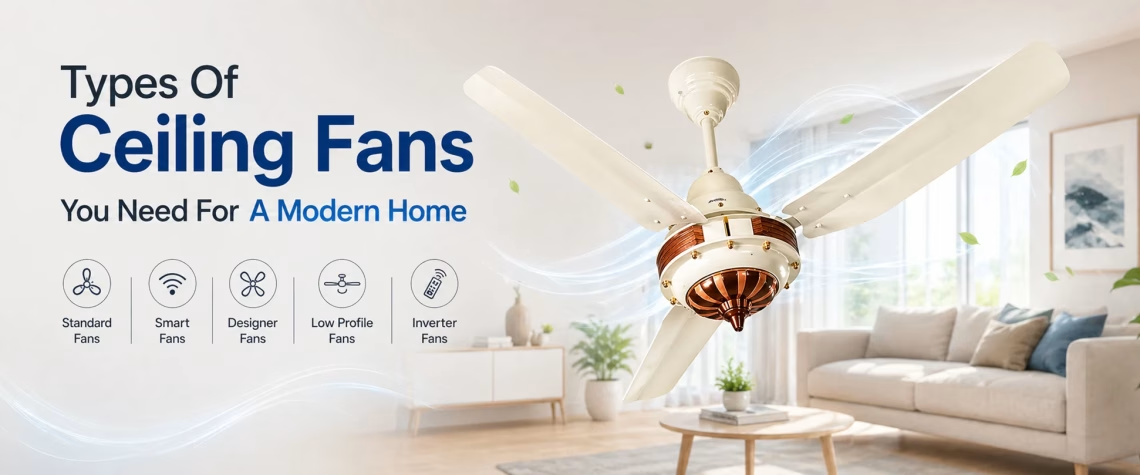
Types of Ceiling Fans You Should Consider for Your Home
Choosing the right type of ceiling fan depends on your space, lifestyle, and how you want your home to feel every day.
1. Standard Ceiling Fans (The Reliable Choice)
These are the most common ceiling fans you’ll see in homes.
Why they’re useful for you:
- Affordable and widely available
- Easy to install and maintain
- Suitable for bedrooms, lounges, and everyday spaces
If your goal is simple airflow without spending too much, standard fans are a practical choice. However, they may not offer advanced features like energy efficiency or smart controls.
Best for: Budget-conscious buyers who want dependable performance.
2. Energy-Efficient (Inverter / BLDC) Ceiling Fans
If reducing your electricity bill matters to you, this is where you should focus.
BLDC (Brushless Direct Current) fans are designed to consume significantly less power than traditional fans.
One of the most important factors to consider here is ceiling fan wattage, as lower wattage directly translates into lower electricity consumption and long-term savings.
How does this benefit you?
- Up to 60–70% less electricity consumption
- Lower monthly bills (especially important with rising energy costs)
- Better performance during voltage fluctuations
For example, Belvin energy-efficient ceiling fans operate at just 30–35 watts, reducing energy consumption by up to 60–70%. This can help you save up to PKR 6000 annually, making a noticeable difference in your long-term electricity costs.
Although the upfront cost is higher, the long-term savings usually make up for it.
Best for: Anyone who wants to save money over time and deal with frequent power issues.
3. Smart Ceiling Fans (For a Connected Lifestyle)
Modern homes are becoming smarter, and your fan can be part of that ecosystem.
Smart ceiling fans can be controlled using:
- Mobile apps
- Remote controls
Why you might want this:
- Control fan speed without getting up
- Schedule operation times
- Integrate with smart home systems
This is not just about convenience; it’s about control and efficiency in your daily routine.
Best for: Tech-savvy homeowners or anyone upgrading to a smart home.
4. Low-Profile (Hugger) Ceiling Fans
If your ceiling height is low, a standard fan may not be safe or effective.
Low-profile fans are designed to sit closer to the ceiling.
Why this matters for you:
- Prevents accidents in low-height rooms
- Maintains proper airflow without compromising space
- Ideal for apartments or compact homes
Best for: Rooms with ceilings lower than 8 feet.
5. Designer Ceiling Fans
If aesthetics matter to you (and they should in a modern home), fancy ceiling fans are worth considering.
These ceiling fans come in unique shapes, finishes, and materials, making them a part of your interior décor rather than just a utility item.
What you gain:
- Enhances room appearance
- Matches modern or luxury interiors
- Creates a more polished living space
But remember: some designer fans prioritize looks over airflow, so always check performance specifications.
Best for: Living rooms, drawing rooms, or spaces where appearance matters.
Quick Comparison Table
Here’s a simple breakdown to help you decide faster:
| Type of Ceiling Fan | Best For | Key Benefit | Consideration | |
|---|---|---|---|---|
| 01 | Standard Fan | General use | Affordable & reliable | Basic features only |
| 02 | Energy-Efficient (DC) | Long-term savings | Low electricity consumption | Higher upfront cost |
| 03 | Smart Fan | Tech-savvy homes | Automation & convenience | Requires setup & connectivity |
| 04 | Low-Profile Fan | Low ceilings | Space-saving & safe | Limited airflow range |
| 05 | Designer Fan | Modern interiors | Stylish appearance | May cost more |
How to Choose the Right Ceiling Fan for Your Home
Now that you know the types, here’s how to decide what actually works for you. Choosing the best ceiling fan in Pakistan isn’t just about looks or price; it’s about finding the right balance between performance, efficiency, and design.
1. Consider your room size
Larger rooms need fans with bigger blade spans.
2. Think about energy consumption
If electricity costs are a concern, go for BLDC fans.
3. Match your interior style
A modern home deserves a fan that complements its design.
4. Check ceiling height
Low ceilings require low-profile fans for safety.
5. Look at long-term value
A cheaper fan today might cost you more in electricity over time.
Practical Buying Tips (So You Don’t Regret Your Decision)
Before you finalize your purchase, keep these points in mind:
1. Check Blade Size vs Room Size
A small fan in a large room won’t give you proper airflow. Always match the blade span with your room dimensions for effective cooling.
For example, Belvin AC DC ceiling fans come with longer blade spans designed to improve air delivery in larger spaces.
2. Look at Wattage (Especially for BLDC Fans)
Lower wattage means more energy savings over time.
Belvin inverter ceiling fans operate at just 30–35 watts, helping you reduce electricity consumption without compromising performance.
3. Noise Level Matters
This is especially important for bedrooms, study areas, or work-from-home setups.
Belvin silent ceiling fans are built with noiseless motors, so you get a quiet and comfortable environment.
4. Warranty & After-Sales Support
Always choose a brand that stands behind its product. Reliable warranty coverage gives you peace of mind. With Belvin, you get a 1+1 year warranty, ensuring dependable support after purchase.
5. Don’t Ignore Design
Your ceiling fan is a visible part of your home, so it should match your interior style.
Belvin offers stylish 30-watt ceiling fans in a variety of modern designs and colors, so you don’t have to compromise on aesthetics.
Choose Smarter, Live Better
A ceiling fan might seem like a small decision, but it has a lasting impact on your comfort, energy costs, and overall living experience. When you choose the right fan, you’re not just improving airflow; you’re making your home more efficient, more comfortable, and better aligned with modern living.
If you focus only on the ceiling fan price in Pakistan, you may end up paying more in the long run due to higher electricity usage and lower durability.
If you’re looking for a solution that combines performance, convenience, and modern features, Belvin remote control ceiling fans are built to deliver exactly that. With features like boost mode for the highest speed performance, sleep mode that automatically reduces speed every 2 hours, and a remote control range of up to 20 feet, you get practical functionality that improves your everyday comfort.
Choose wisely today, and you’ll save more while enjoying better comfort for years to come.
Explore your options, compare features, and invest in an inverter ceiling fan that truly adds long-term value to your home.